Bone Grafting & Ridge Augmentation in El Dorado Hills
If your dentist has told you that you need bone grafting before dental implants, it can feel like an unexpected hurdle. But bone grafting is a routine, predictable procedure that makes implant treatment possible for thousands of patients. At Mantena Dental and Implant Center, Dr. Rakesh Mantena brings rare dual surgical and restorative training from the Royal College of Surgeons of Edinburgh and over 20 years of experience to every case. We accept most major insurance plans and will help you understand your coverage from the start.
Why Bone Grafting Makes Dental Implants Possible
Dental implants need enough healthy bone to anchor securely. When the jawbone has thinned or receded, an implant cannot stay stable over time. Bone grafting rebuilds that foundation so you can move forward with a permanent tooth replacement.
What Causes Bone Loss in the Jaw?
Tooth loss is the most common cause. When a tooth root is no longer present, the surrounding bone begins to shrink. Gum disease, trauma, infection, and even long-term denture wear can also accelerate bone loss. Over time, this leaves the jaw too weak to hold an implant.
How Bone Grafting Restores Your Foundation
Bone grafting uses graft material to stimulate your body's natural bone growth. The graft acts as a scaffold. Over several months, your own cells replace the graft with living bone that integrates with your jaw. The result is a strong, healthy base for your dental implant.
Types of Bone Grafting Procedures We Offer
Not all bone grafts are the same. Dr. Mantena selects the approach based on your specific needs.
Socket/Extraction Site Grafting
Performed at the time of a tooth extraction. Placing graft material in the empty socket preserves the bone and prevents collapse. This is often a simple, proactive step that keeps the option for a future dental implant open.
Ridge Augmentation
Ridge augmentation rebuilds the width or height of the jawbone where it has narrowed. This is common for patients who lost teeth years ago and now want an implant. The procedure restores the natural contour of the jaw.
Sinus Lift (Sinus Augmentation)
The upper jaw near the sinus cavity often lacks bone height after tooth loss. A sinus lift lifts the sinus membrane and places graft material below it. This creates enough bone for implants in the upper back area.
Block Grafting
For larger bone defects, a block of graft material is secured to the jaw. This provides volume where more extensive rebuilding is needed. Block grafts require a slightly longer healing period but offer strong support for future implants.
Why Bone Grafting in El Dorado Hills Patients Choose Mantena Dental
Patients trust us for bone grafting because of Dr. Mantena's advanced training. He is both an oral and maxillofacial surgeon and a restorative dentist, giving him a complete view of your treatment from grafting to the final implant crown. His credentials include fellowship-level training and certification in IV sedation, so you remain comfortable throughout.
We use 3D CBCT scanning for precise planning. This technology maps your jaw structure in detail, allowing Dr. Mantena to place the graft exactly where it is needed. For your convenience, we offer easy online scheduling and financing options through CareCredit, Affirm, and other trusted partners. We also accept most dental insurance and will help you maximize your benefits.
What to Expect: Your Bone Grafting Procedure Step by Step
Consultation & 3D Imaging
Your first visit includes a thorough exam and 3D imaging. Dr. Mantena evaluates your bone density and discusses your goals. He will recommend the type of graft needed and walk you through the timeline.
The Grafting Appointment
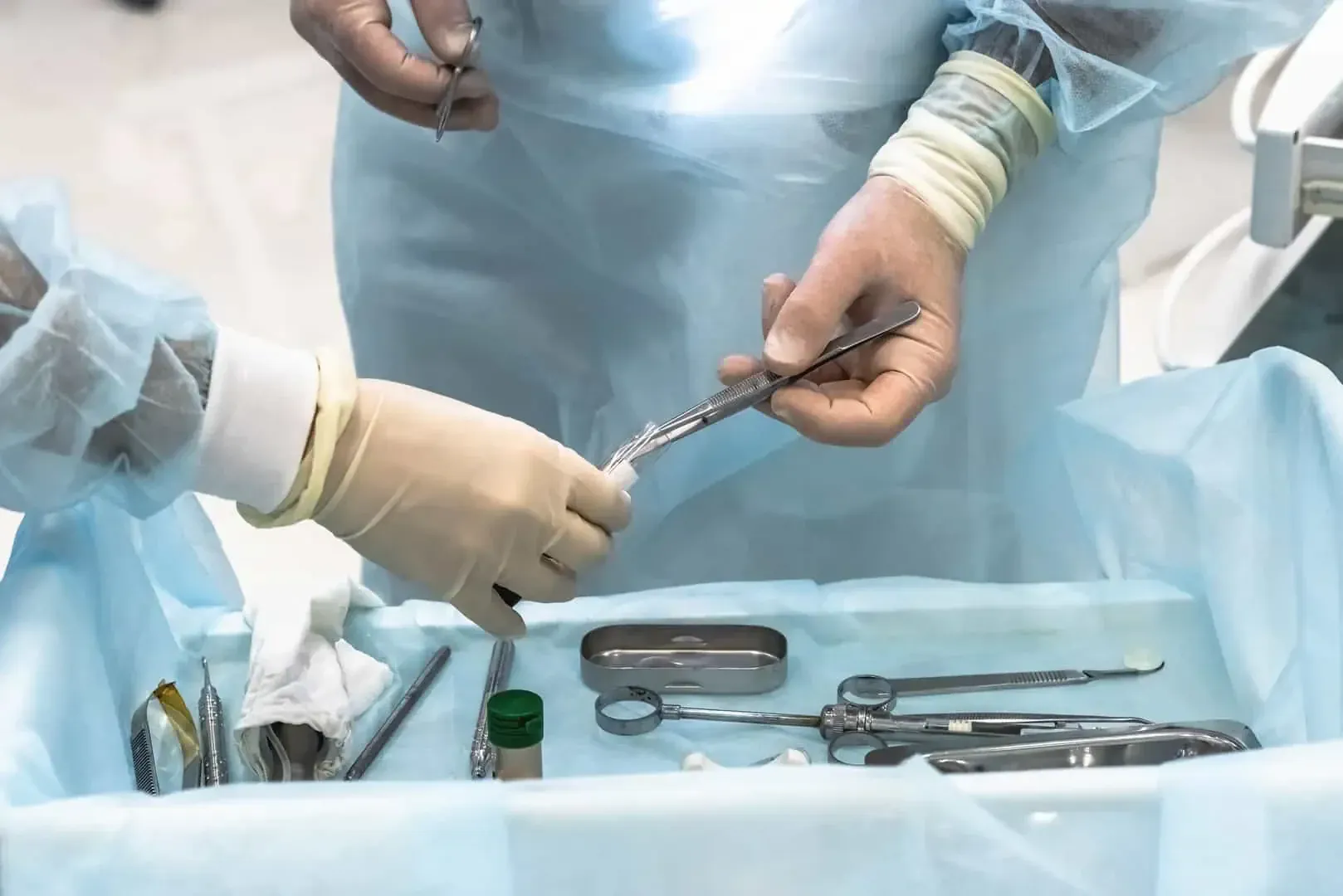
The procedure is performed in our comfortable office. Local anesthesia is used, and sedation is available if you feel anxious. Dr. Mantena accesses the area, places the graft material, and closes the site with sutures. Most appointments take 60 to 90 minutes.
Healing and What Comes Next
Healing times vary by graft type. Socket grafts may heal in 4 to 6 months, while sinus lifts or block grafts may take up to 9 months. During this time, new bone grows. Once healed, you return for implant placement. Dr. Mantena will manage both steps, ensuring continuity of care.
Bone Grafting vs. Skipping the Graft: What's at Stake
Without enough bone, an implant may fail or be impossible to place. Here is how the choice affects your outcome.
| Feature | With Bone Grafting | Without Bone Grafting |
|---|---|---|
| Implant candidacy | Restored | Often ineligible |
| Long-term implant stability | High | Compromised |
| Jaw structure preservation | Yes | Continued bone loss |
| Treatment timeline | Longer, but complete | May require extraction only |
| Aesthetic outcome | Full restoration possible | Limited options |
For most patients, grafting is the clear path to a lasting, natural-looking result. If you are considering single tooth implants or All-on-4 full-arch implants, adequate bone is essential.
Understanding Dental Bone Graft Cost
Cost is a common concern. The price of bone grafting depends on several factors, and we are transparent about fees from the start. For detailed cost answers, see our dental implant cost/FAQs page.
What Affects the Price of a Bone Graft?
The type of graft, the amount of bone needed, and whether it is done at the same time as an extraction all affect the cost. Ridge augmentation and sinus lifts typically cost more than socket grafts because they require more time and material.
Insurance, Financing & Payment Options
Many dental plans cover bone grafting when it is part of implant treatment. We work with most major insurers, including Delta Dental, Cigna, and Aetna. For remaining costs, we offer multiple financing options through CareCredit, Affirm, Lending Club, and in-house payment plans. Visit our insurance and financing page for full details.
Frequently Asked Questions
Bone grafting is not painful during the procedure because local anesthesia is used. Patients who are anxious can choose sedation. Some soreness is normal for a few days after, and over-the-counter pain relievers usually handle it well.
Healing typically takes 4 to 6 months for most grafts. Larger grafts like sinus lifts may need up to 9 months. Dr. Mantena will monitor your healing and confirm when the bone is ready for an implant.
Many plans do cover bone grafting. We verify your benefits before treatment and explain any out-of-pocket costs. Our team helps you file claims and use your insurance effectively.
Yes. Ridge augmentation is designed exactly for this situation. Even if it has been years, we can rebuild the bone so you can receive an implant.
Ridge augmentation restores the natural shape of your jawbone after tooth loss. You need it if your jaw ridge has become too narrow or flat. Dr. Mantena will determine this during your exam.

Ready to Schedule Your Visit?
New patients are always welcome. Schedule your consultation today — we look forward to meeting you.